Good product design makes medical devices not only aesthetically appealing, but also safe, ergonomic, and easy to use. It combines user needs, technical feasibility, material and production requirements, and regulatory frameworks into a product that works in everyday life.
We support you in developing a well-thought-out product concept from an initial idea – from early user research, ideation, and initial CAD models through to prototypes, testing, and final 3D data. The result is a medical device that wins over users and successfully positions itself in the market.
We support you in developing a well-thought-out product concept from an initial idea – from early user research, ideation, and initial CAD models through to prototypes, testing, and final 3D data. The result is a medical device that wins over users and successfully positions itself in the market.
How we help
We help you turn product ideas into user-friendly, ergonomic, and marketable medical devices – with a clear focus on design, documentation, and feasibility.
- Design consulting on product concepts, target audiences, and market positioning
- Usage Concepts for Complex Technical and Medical Products
- Visualization using sketches, CAD models, and renderings
- Prototyping with Physical Models and 3D Printing
- Accompanying user research to ensure a clear focus on the needs of the markets and users, including lab sessions, recruitment, and documentation.
- Documentation of design decisions for certification and subsequent developments
- Handoff to the technical development team. Upon request, we develop digital product components in-house.




How does the product design process work at our company?

01. Product Understanding – Understanding Usage and Requirements
We analyze your product idea, requirements, target audiences, usage contexts, key use cases, and existing design assets. In doing so, we consider both the needs of users and the specific requirements of medical, IVD, and health products.

02. Ideation – We develop the basic product concept
We develop initial product ideas, variations, and design concepts. Sketches, simple models, or preliminary CAD designs illustrate how form, function, and usability can work together.

03. Prototyping – Bringing Product Concepts to Life Early On
We turn selected concepts into prototypes—for example, using our 3D printers. This allows us to evaluate ergonomics, haptics, handling, and usage concepts early on and refine them in a targeted manner.

04. Visual Design – The visual presentation of the product
Based on existing design assets, we further develop your design style. Building on this foundation, we create the visual identity of your product. The goal: a visually outstanding, modern design that aligns with your brand.

05. Prototyping & Testing – Incorporating User Feedback Early On
We test prototypes – with a digital user interface upon request – with real users and analyze their feedback and observations. Of course, our prototypes can also be used for trade shows or stakeholder evaluations. The insights gained are directly incorporated into the optimization of the product design.

06. Design Documentation & Handover
We document design decisions and make them “traceable.” For technical development, we provide design assets (e.g., 3D models, renderings, design documentation). This gives you a solid foundation for the next steps in development.
Certified for Excellence & Awarded for Design
We are certified to ISO 13485 and ISO 27001. This allows us to combine verified quality processes with secure handling of sensitive data – specifically for projects in the medical device and IVD sectors.
Our commitment to quality is also reflected in the design awards we have won. Among other accolades, we have won the “Red Dot Winner User Interface Design” award multiple times, as well as the German Design Award.
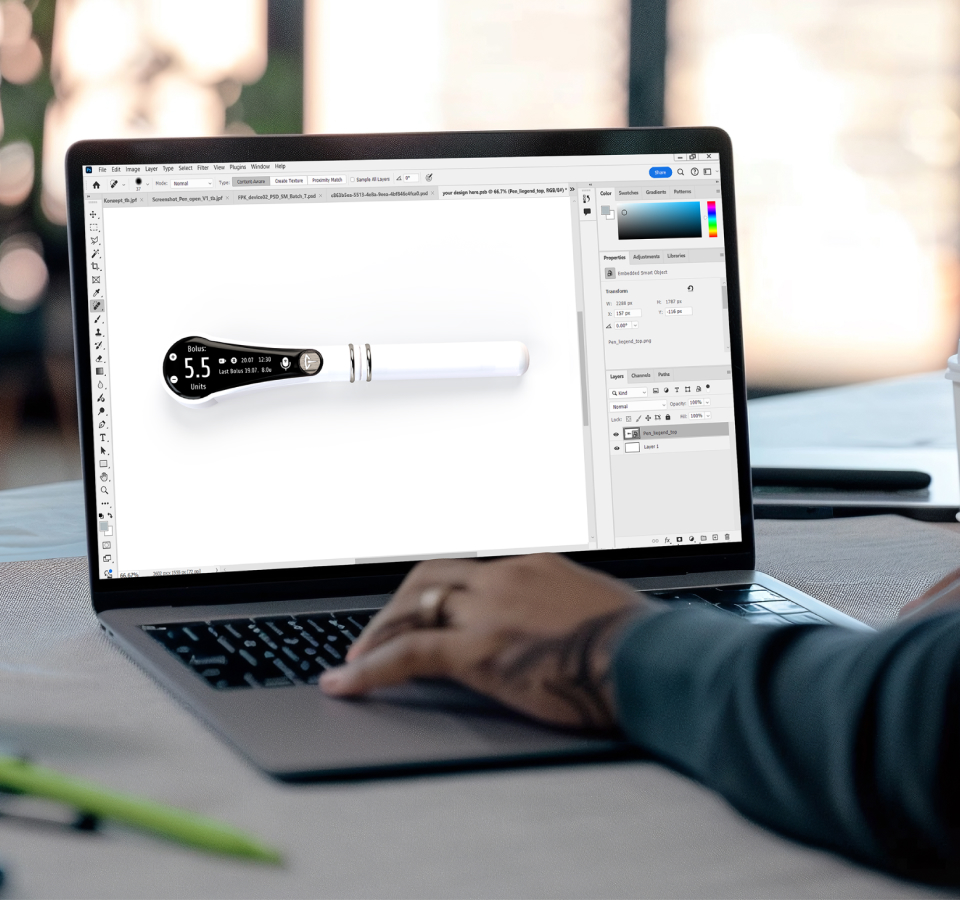
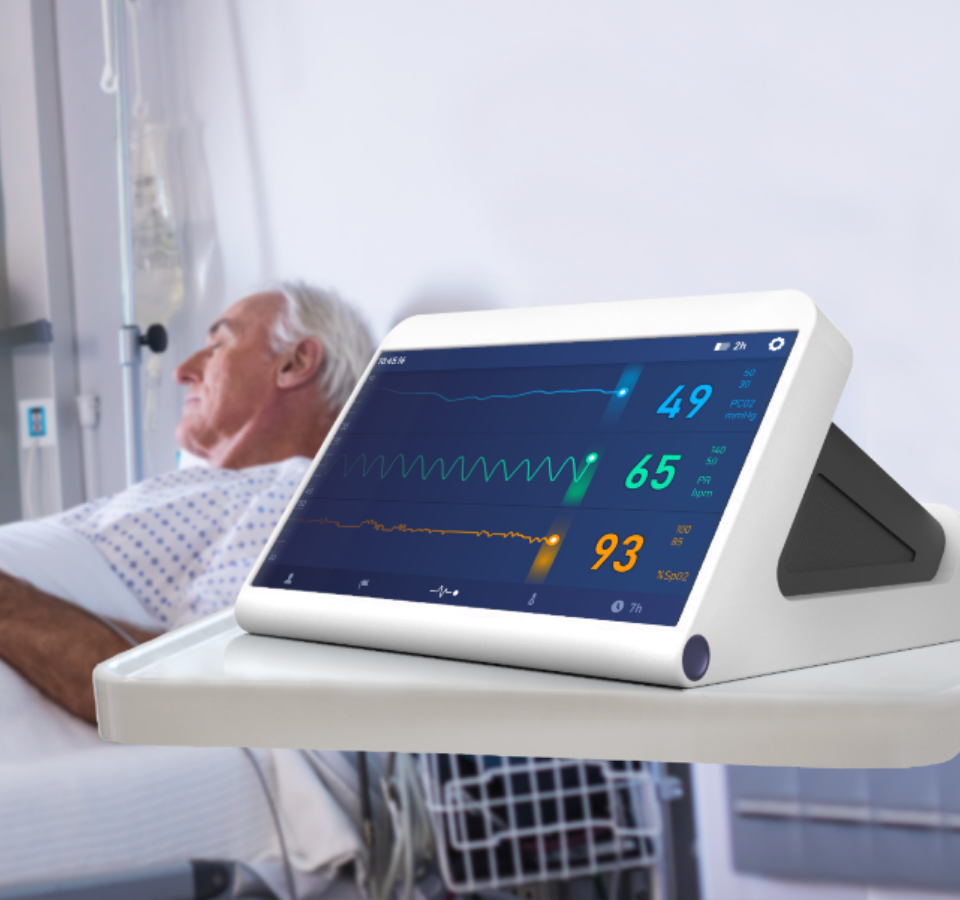
Our Refereces for Product Design



Why Custom Medical?
Experience with Medical Devices and IVDs: Our team has many years of experience in the design of medical devices and IVDs. That is why we develop product concepts that integrate usability, ergonomics, and the medical context of use.
UX and product design under one roof: We offer a seamless combination of UX and product design for comprehensive product concepts. This creates a holistic user experience – from the device itself to the controls and the digital interface.
User-centered design from the very beginning: Our designs are based on user research and real user feedback – for example, using prototypes created with a 3D printer. This allows us to develop products that are intuitive, efficient, and tailored to real-world usage scenarios.
Regulatory Compliance Built In: We take a pragmatic approach to regulatory approval at every step. If needed, we also provide support with formative evaluations, the final summative evaluation/human factors validation, and technical documentation.
Award-winning Design: Our team has won numerous design awards for outstanding user interfaces and UX, including Red Dot Awards and German Design Awards. We bring this design quality to your medical, IVD, or health product.
Comprehensive Support: We provide support in product design – but we also create digital user interface elements and design your IFU. In addition, we offer international user studies, front-end development, and regulatory support. This means you have a single partner for all your usability engineering needs.
Our Design Tools & Prototyping Capabilities
We use modern design, prototyping, and 3D tools such as Figma, Adobe Creative Cloud, and SolidWorks to quickly bring ideas to life so they can be discussed and tested. Initial concepts are thus transformed into tangible prototypes – often in combination with digital clickdummies or interactive components.
This allows us to holistically evaluate the user interface logic, haptics, controls, and real-world usage context from the very beginning – both with stakeholders and with actual users.
To facilitate future implementation, we document design decisions, components, and interaction patterns in a structured manner in style guides or component libraries. This provides your development team with a clear foundation – and ensures your product remains consistent even as it is expanded in the future.

We want to get to know you and your product!